Studying abroad is a life-changing experience, but many students hesitate due to common misconceptions. At Excelbeyondborders, we’ve encountered numerous myths that hold people back from pursuing international education.
In this post, we’ll debunk 8 studying abroad myths to ignore, clearing the path for your global adventure. Get ready to challenge your assumptions and open doors to new opportunities.
Is studying abroad really too expensive?
Many students believe studying abroad is a luxury reserved for the wealthy. This myth often prevents talented individuals from pursuing international education. Let’s examine why this perception is inaccurate and explore the various ways to make studying abroad financially accessible.
Financial aid unlocks opportunities
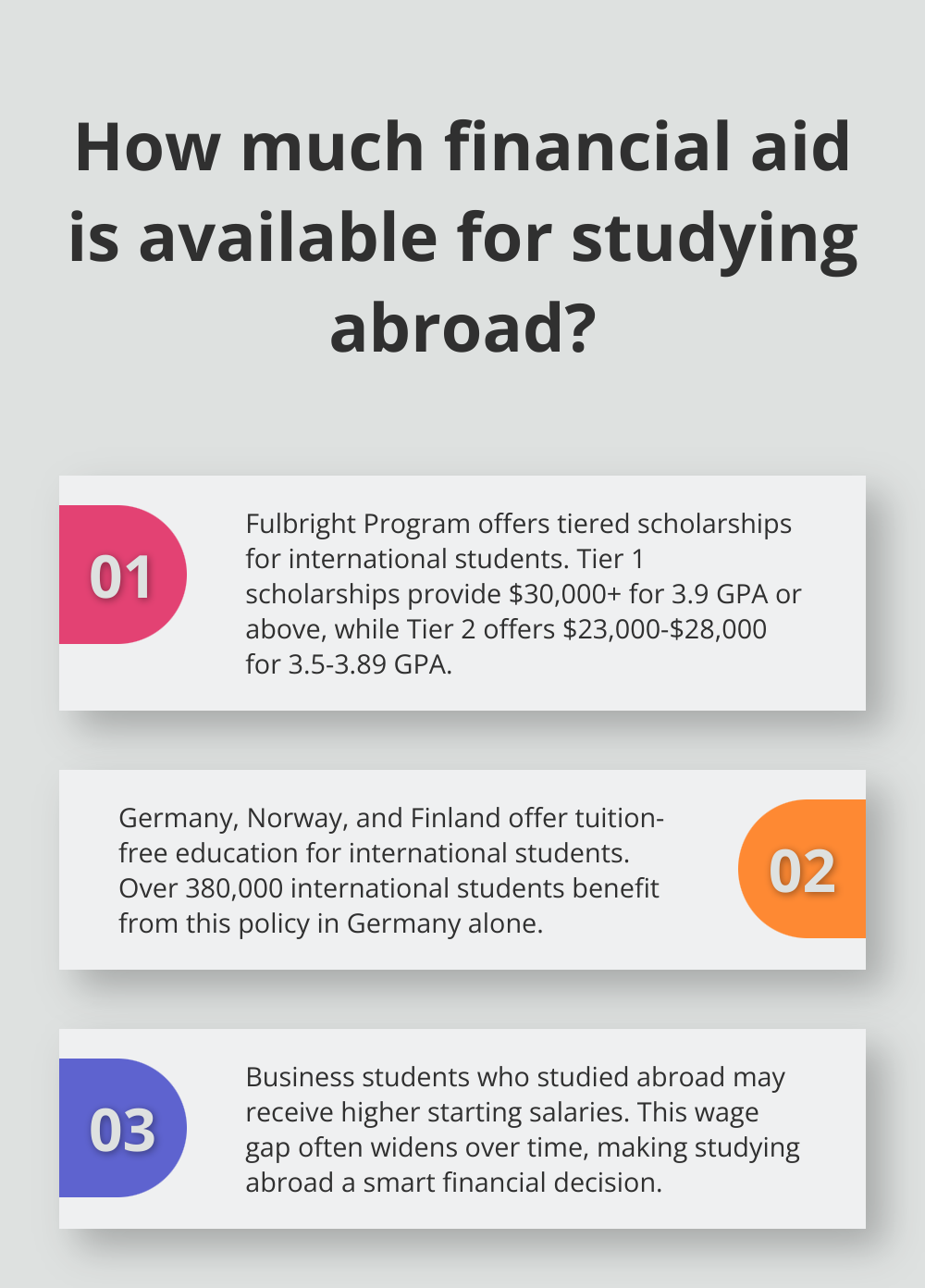
Universities and organizations offer substantial financial aid packages specifically for international students. The Fulbright Program, for example, offers tiered scholarships based on academic performance. Tier 1 scholarships provide $30,000 and up for applicants with an equivalent 3.9 GPA or above, while Tier 2 offers between $23,000 and $28,000 for those with a 3.5-3.89 GPA. These opportunities can significantly reduce the financial burden of studying abroad.
Affordable destinations exist
Not all study abroad experiences come with a hefty price tag. Countries like Germany, Norway, and Finland offer tuition-free education even for international students. In Germany alone, over 380,000 international students benefit from this policy. Other countries (such as Malaysia and Taiwan) provide high-quality education at a fraction of the cost of studying in the US or UK.
Long-term benefits exceed initial costs
The upfront costs of studying abroad may seem daunting, but the long-term benefits often far outweigh the initial investment. Research suggests that business students who studied abroad may receive higher starting salaries than those who did not study abroad. This wage gap often widens over time, making the initial investment a smart financial decision.
Practical tips to reduce expenses
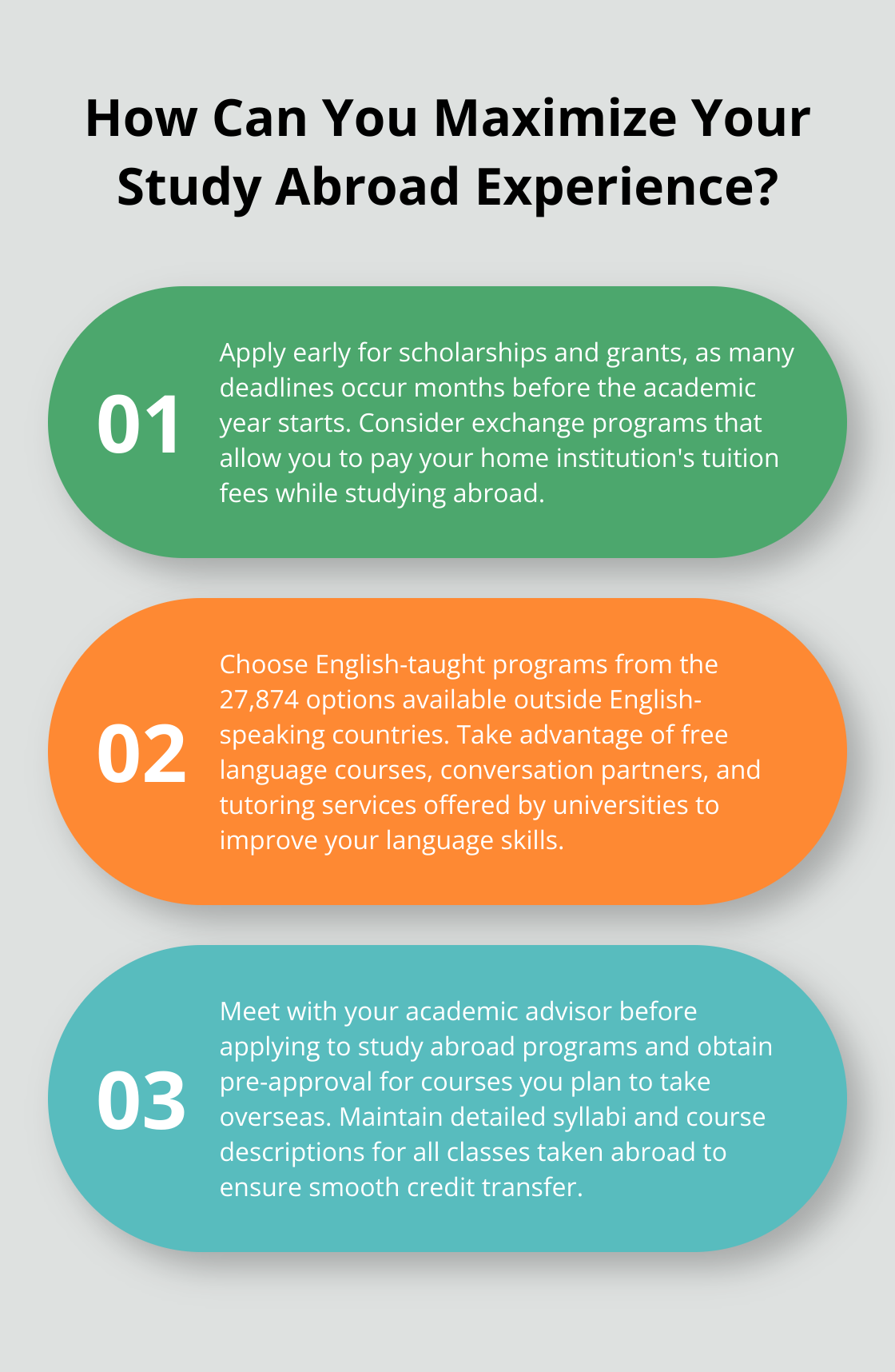
- Apply early for scholarships and grants. Many deadlines occur months before the academic year starts.
- Consider exchange programs, which often allow you to pay your home institution’s tuition fees while studying abroad.
- Look for part-time work opportunities in your host country. Many countries allow international students to work up to 20 hours per week.
- Choose a country with a lower cost of living. Your money will stretch further in places like Thailand or Poland compared to Switzerland or Japan.
Expert guidance makes a difference
Organizations like Excel Beyond Borders specialize in finding cost-effective study abroad options tailored to your budget and academic goals. Their expert team can guide you through the maze of financial aid options and help you secure scholarships that match your profile.
Now that we’ve dispelled the myth of studying abroad being too expensive, let’s address another common misconception: the need for fluency in a foreign language.
Do You Need to Speak the Local Language?
Many students believe they must be fluent in a foreign language to study abroad. This myth often prevents them from pursuing international education opportunities. Let’s explore why language barriers shouldn’t stop you from having a global academic experience.
English-Taught Programs Abound
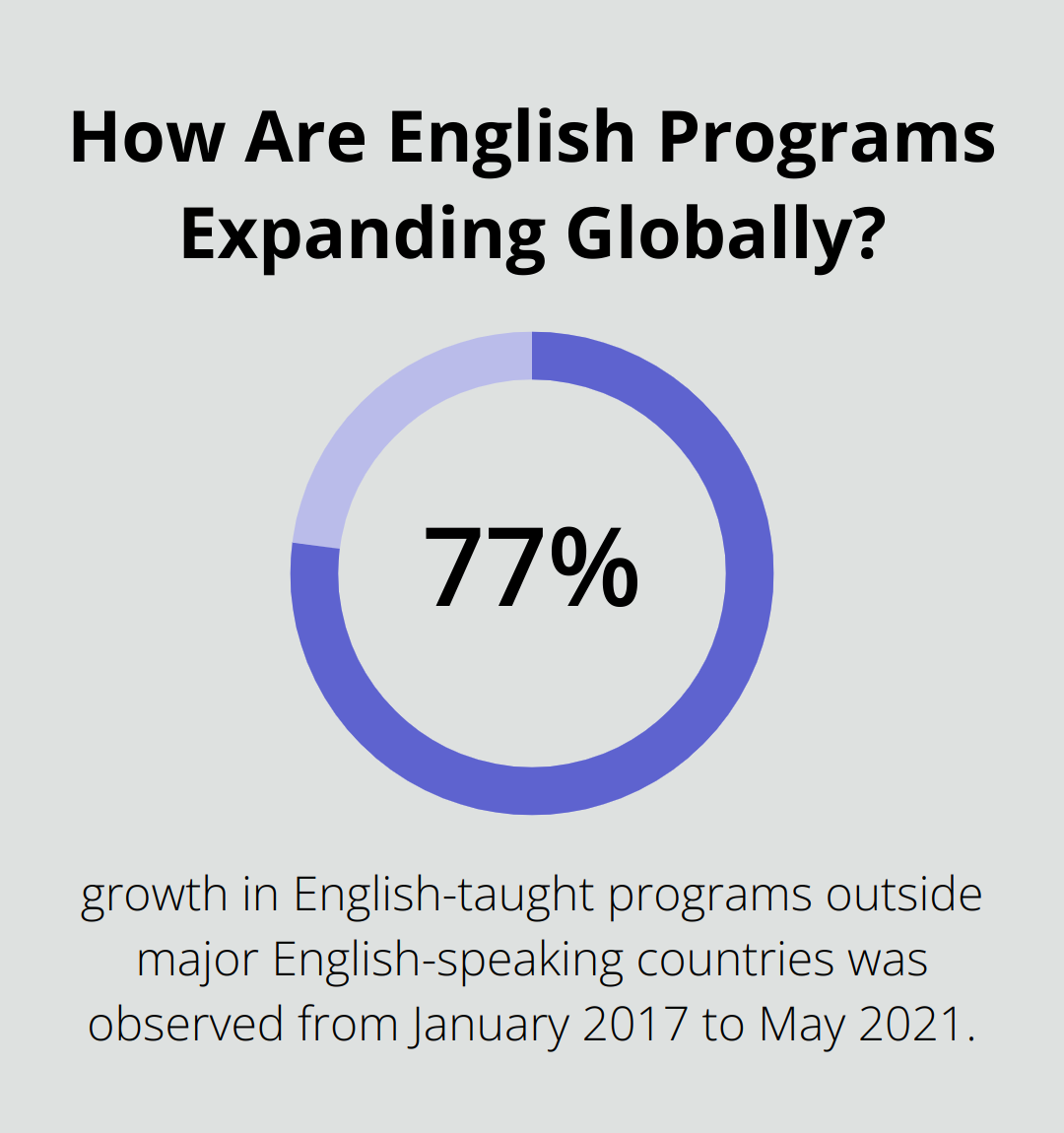
Universities worldwide offer numerous programs entirely in English. In May 2021, Studyportals identified 27,874 programmes outside the ‘big four’ English-speaking countries. This represents a growth of 77% compared to just January 2017, reflecting the growing demand for English-medium instruction.
Immersion Speeds Up Language Learning
Studying abroad offers an unmatched opportunity to improve language skills quickly. There are some notable studies on study abroad and careers, learning, academic performance, retention, and personality development.
Universities Provide Language Support
Institutions recognize the challenges international students face and offer comprehensive language support. Many universities provide free language courses, conversation partners, and tutoring services. For example, international students (from outside the EU/EEA) can study for free in public universities from Norway (at all levels), Germany (Bachelor’s degrees), and other European countries.
Language Learning Apps and Tools
Modern technology has made language learning more accessible than ever. Apps like Duolingo, Babbel, and Rosetta Stone allow students to start learning a new language before they even leave home. These tools can help build a basic foundation, making the transition to a new linguistic environment smoother.
Cultural Immersion Beyond Language
While learning the local language enhances the experience, it’s not the only way to immerse yourself in a new culture. Many study abroad programs offer cultural activities, excursions, and opportunities to interact with locals (even if you’re not fluent in their language). These experiences can be just as valuable for personal growth and cultural understanding.
Language shouldn’t be a barrier to accessing quality international education. With the right resources and mindset, you can thrive in a foreign academic environment. Now, let’s address another common concern: the fear that studying abroad might delay your graduation.
Will Studying Abroad Delay Your Graduation?
Strategic Credit Transfer
Many universities have established partnerships with international institutions, which facilitate seamless credit transfer. UC Berkeley reports high graduation and retention rates. To ensure your credits count, follow these steps:
- Meet with your academic advisor before applying to study abroad programs.
- Obtain pre-approval for courses you plan to take overseas.
- Maintain detailed syllabi and course descriptions for all classes taken abroad.
Alignment with Academic Calendars
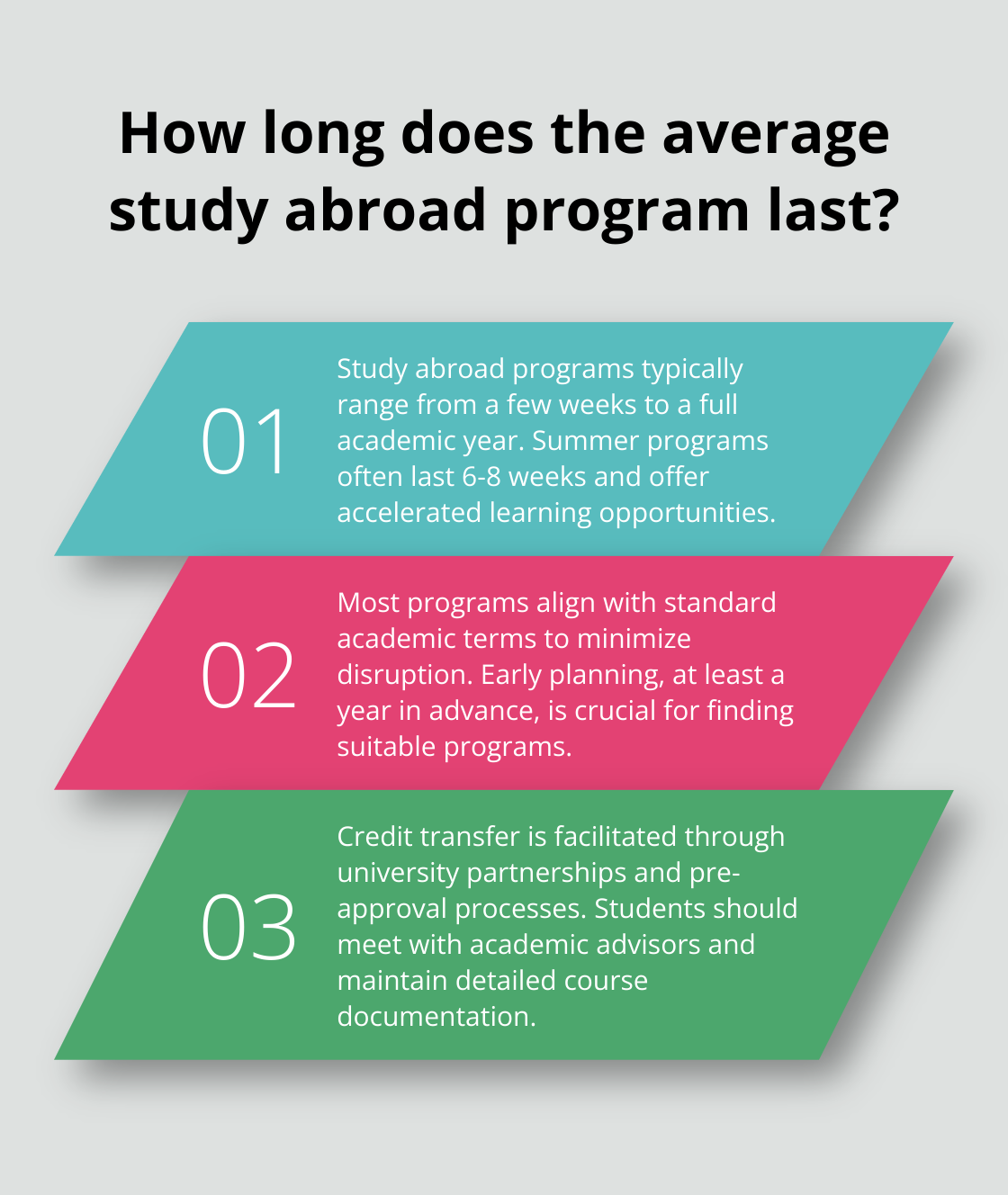
Most study abroad programs fit within standard academic terms. Summer programs, for example, allow you to earn credits while traveling the world and making new friends. Some universities even offer accelerated programs where you can complete a full semester’s worth of credits in 6-8 weeks.
Degree Enhancement Opportunities
Studying abroad can boost your academic progress rather than delay graduation. Many programs offer unique courses not available at your home institution. Art history majors can study Renaissance art in Florence, while marine biology students can conduct field research in the Great Barrier Reef.
Some universities offer dual degree programs with international partners. These allow you to earn two degrees simultaneously (often in less time than it would take to complete them separately).
Early Planning is Key
The key to avoiding delays lies in early planning and clear communication with your home institution. Start your research at least a year in advance to find programs that align with your academic goals and graduation timeline.
Expert Guidance
Organizations specializing in study abroad can provide expert guidance for your international education journey. Their advisors can offer tailored advice, help with visa applications, and assist in finding programs that complement your academic goals and keep you on track for graduation.
Final Thoughts
This post has exposed 8 studying abroad myths to ignore. We dispelled misconceptions about costs, language requirements, and graduation timelines. These myths often prevent students from experiencing life-changing opportunities abroad.
Excel Beyond Borders helps students navigate international education complexities. Our team provides expert guidance on university applications, visa processes, and financial aid. We also assist in reducing flight costs and connecting students with high-demand STEM careers.
Start your global adventure today. Visit Excel Beyond Borders to transform your study abroad dreams into reality. The world awaits your exploration (don’t let myths hold you back).